Is ITV's Gone Based On A True Story? Unpacking The Melanie Road Case
When a new crime drama hits our screens, one of the first questions viewers often ask is, "Is Gone based on a true story?" The allure of real-life mysteries and the satisfaction of seeing justice served, even fictitiously, is powerful. ITV's compelling series "Gone," featuring an intricate cold case investigation, has certainly piqued this curiosity. While the central storyline involving the fictional murder of Sarah Polly is a work of fiction, the foundation upon which "Gone" is built draws profound inspiration from a harrowing, real-life cold case: the murder of 17-year-old Melanie Road.
The drama doesn't directly dramatize Melanie Road's story, but rather uses the monumental efforts of the detective who eventually solved her case as its emotional and procedural backbone. This approach allows the series to explore the arduous journey of cold case investigations without intruding on the privacy of Melanie's family, creating a unique blend of fictional narrative and authentic investigative spirit. Understanding this distinction is key to appreciating the depth and impact of "Gone."
The Real-Life Detective Behind the Drama: Julie Mackay's Unwavering Pursuit
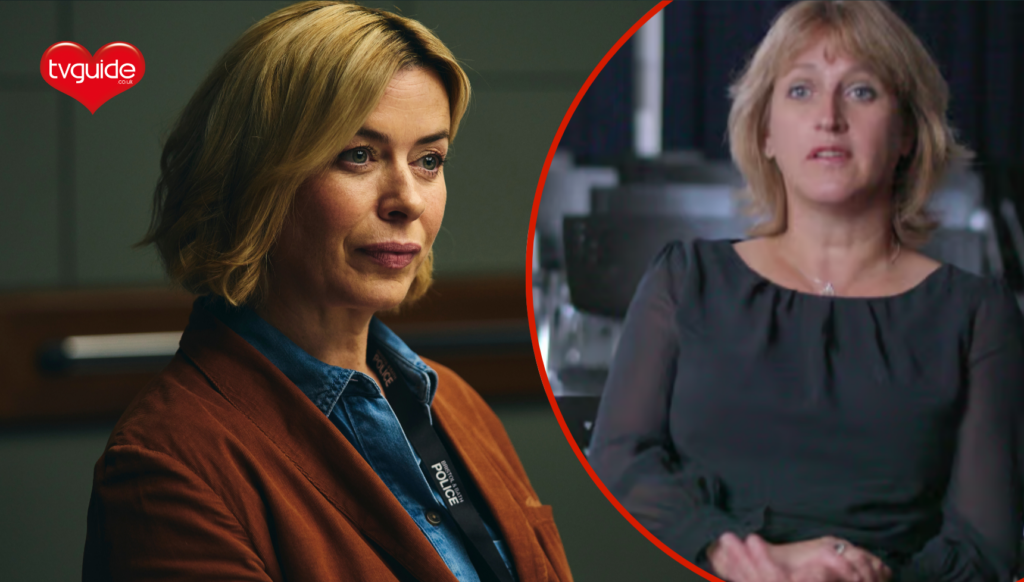
The true inspiration for "Gone" lies in the extraordinary work of former Detective Superintendent Julie Mackay of Gloucestershire Police. Mackay, a dedicated and tenacious officer, became a beacon of hope in the investigation of Melanie Road's decades-old murder. Her relentless pursuit of justice forms the very core of the series' authenticity and emotional resonance.
As Mackay herself explained to Radio Times, the creators of "Gone" "taken my cold-case journey — which was up and down, two steps forward, three steps back, endless dead ends – and told a different story." This highlights that the show isn't a documentary-style retelling of Melanie Road's case, but rather an exploration of the psychological and practical challenges inherent in such investigations. The series aims to capture the essence of a detective's unwavering commitment to victims and their families, even when the trail seems to have gone cold permanently. This narrative choice was made out of deep respect for Melanie's family, who preferred not to be in the public eye, ensuring their privacy while still honoring the incredible detective work involved. Gone: How a Real Cold Case Detective Inspired the ITV Drama further elaborates on Mackay's profound influence on the show's development.
Eve Myles, who stars in the series, lauded Mackay's achievement as an "extraordinary thing to do," emphasizing the importance of celebrating such dedication. Mackay's post-retirement book, To Hunt a Killer, co-authored with ITV journalist Robert Murphy, further details Melanie's case alongside other investigations, offering a firsthand account of the challenges and triumphs of cold case work.
The Tragic Reality: The Murder of Melanie Road
While "Gone" tells a fictional story, the real-life case of Melanie Road is a chilling reminder of the devastating impact of unsolved crimes. Melanie, a vibrant 17-year-old, was tragically murdered in June 1984. She had been enjoying a night out with friends at a Bath nightclub, a common teenage experience, when her life was brutally cut short.
On her way home, she was attacked, sexually assaulted, and stabbed an horrific 26 times. Her body was discovered at 5:30 am the following morning by a milkman and his 10-year-old son, lying in front of some garages a short distance from her home. For 32 agonizing years, Melanie's family and friends lived with an unimaginable burden: the knowledge that her killer walked free. The case became a persistent cold case, a stark example of how justice can remain elusive for decades, leaving a community scarred and a family in perpetual grief.
The Breakthrough: A Cold Case Ignited by DNA
The breakthrough in Melanie Road's case, which provides a fascinating backdrop to "Gone," is a testament to the power of forensic science and the persistence of law enforcement. For years, investigators had held a DNA profile of Melanie's suspected killer, extracted from her clothing back in 1995. However, this profile yielded no match on the national database for over two decades. The key to unlocking the mystery arrived in 2015, through an unexpected twist of fate.
- The Critical Match: DNA from Christopher Hampton's daughter was added to the national system following a criminal damage charge.
- The Link: Routine checks on cold case DNA samples revealed a familial match between the DNA from Melanie's killer and the daughter's profile.
- Confirmation: Police then requested a voluntary DNA swab from Christopher Hampton, who was 32 at the time of the murder. The swab proved to be a definitive match with the DNA collected at the 1984 crime scene.
In 2016, 32 years after Melanie's murder, Christopher Hampton – then 64 years old, a married father-of-three – pleaded guilty to her murder. He was sentenced to life imprisonment, with a minimum term of 22 years behind bars. The resolution brought a measure of closure to a case that had haunted Bath for generations, illustrating the critical role of advancements in DNA technology and the tireless work of cold case units. The True Story Behind Gone: Fictional Plot, Real Cold Case Roots delves deeper into how this real-world resolution informed the fictional narrative.
Fact vs. Fiction: How "Gone" Navigates Sensitivity and Storytelling
The creators of "Gone" faced the delicate challenge of drawing inspiration from a real tragedy while crafting an original, fictional narrative. Their solution was to focus on the procedural and emotional journey of a detective, rather than a direct dramatization of Melanie Road's life and death. This approach allows the series to resonate with authenticity without exploiting the pain of a real family.
Eve Myles highlighted that while Melanie's story "is touched upon, the backdrop to the story is very much Julie's story. But it doesn’t domineer this series, and our story veers somewhere completely different." This balance is crucial in true crime-inspired dramas. It enables "Gone" to explore universal themes of grief, justice, perseverance, and the long shadow cast by unsolved crimes, all while maintaining the integrity of its fictional plotline.
The show's emphasis on the relentless nature of cold case work, the endless dead ends, and the emotional toll on investigators is directly inspired by Mackay's experiences. By showcasing the fictional Sarah Polly case through the lens of a detective inspired by Julie Mackay, "Gone" manages to celebrate the incredible dedication of real-life police officers who bring justice to victims, often against overwhelming odds and after decades of effort.
The Enduring Legacy of Cold Cases and Detective Perseverance
The story behind "Gone" is more than just an answer to "Is Gone based on a true story?"; it's a powerful reminder of several critical aspects of law enforcement and justice:
- The Power of DNA: Melanie Road's case exemplifies how advancements in forensic science, particularly DNA profiling and familial DNA searching, have revolutionized cold case investigations. These tools offer hope for justice even decades after a crime.
- Unwavering Dedication: Cold case detectives, like Julie Mackay, often work for years, sometimes their entire careers, on a single case. Their perseverance, often in the face of dwindling leads and public memory, is truly commendable.
- Impact on Families: The resolution of a cold case, even after many years, provides invaluable closure for victims' families, allowing them to finally begin a deeper healing process.
- Ethical Storytelling: "Gone" demonstrates how true crime inspiration can be handled with sensitivity, respecting the privacy of real victims while still delivering an engaging and informative narrative. This approach provides value by educating audiences on the complexities of police work and the human stories behind the headlines.
Shows like "Gone" serve an important public service by highlighting the ongoing efforts to solve cold cases and the emotional investment required. They remind us that behind every statistic is a human story, a family forever changed, and often, a dedicated team working tirelessly for justice.
Conclusion
So, to answer the question, "Is Gone based on a true story?" the answer is a nuanced yes and no. While the central crime in ITV's "Gone" is entirely fictional, the series is deeply and authentically inspired by the real-life cold case murder of Melanie Road and, more specifically, by the extraordinary detective work of former Detective Superintendent Julie Mackay, who solved it over three decades later. By drawing on Mackay's arduous journey, "Gone" delivers a powerful and compelling drama that captures the essence of cold case investigations, celebrating the resilience of law enforcement and the eventual triumph of justice. It stands as a testament to the enduring hope that no case is ever truly forgotten, and no killer can hide forever.